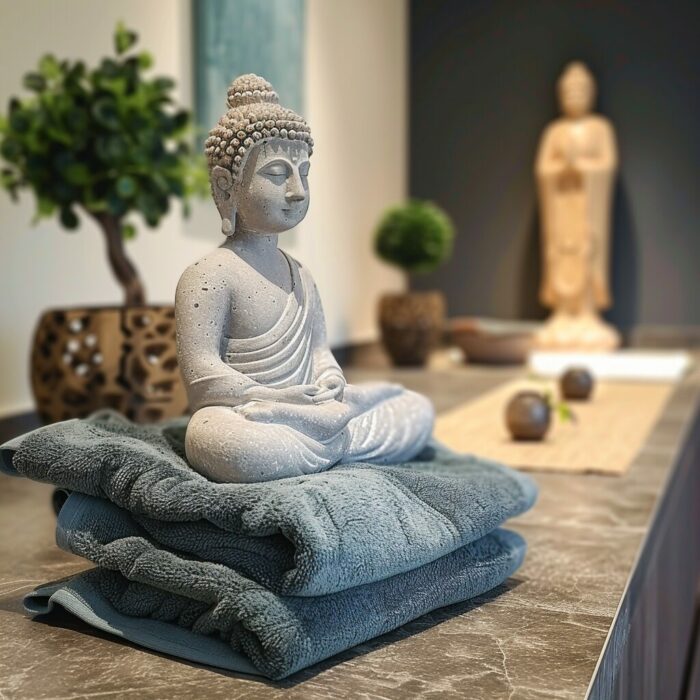
In the modern environment, finding moments of calm is an important need. Maintaining a healthy balance between the physical body and the mind is increasingly difficult when our homes double as busy remote offices, bustling daycares, and centers of endless domestic chores. Chronic stress demands a structured response. To truly disconnect and protect your mental health, it can be helpful to engineer a dedicated recovery infrastructure within your home.
Creating a functional relaxation sanctuary goes far beyond choosing soothing paint colors or arranging decorative pillows in a quiet corner. The modern approach to wellness involves building a multi-sensory ecosystem. This strategy layers distinct physical boundaries, time-mapped chronobiological aromatherapy, and maintenance protocols that actively trigger nervous system downregulation.
While creating this environment requires time and may not fit every budget or personality type, a true home sanctuary is an operational space maintained with intention. This guide explores how to transform standard living space into a dual-purpose haven of continuous recovery by treating it as an exercise in sensory architecture rather than basic interior design.
Key Takeaways
Establishing a functional home sanctuary requires a seamless blend of spatial design, sensory engineering, and operational rules:
- Implement spatial boundaries: Creating a dedicated meditation space that is distinct from the rest of the house separates mental recovery from daily tasks and professional obligations.
- Deploy sensory architecture: Use soft lighting, ambient sound masking, and biophilic elements to effectively isolate the nervous system from unpredictable household chaos.
- Apply chronobiological scent mapping: Sync aromatherapy with your biological circadian rhythm, using invigorating scents in the morning and deeply relaxing ones at night.
- Enforce zero-electronics policies: Banning digital devices ensures the physical space remains an environment for inner focus rather than passive technological consumption.
- Adopt hospitality-level upkeep: Regular maintenance and restocking of essential oils and candles prevent the dedicated space from feeling neglected, maintaining its psychological power over time.
Why Do Spatial Boundaries Trigger Psychological Relief?
The physical environment we inhabit directly influences our biological stress response. Attempting to unwind in the exact spot where you answer urgent work emails or manage household finances creates deep cognitive dissonance. The brain naturally associates that specific physical space with vigilance, productivity, and underlying anxiety. Establishing a firm physical boundary is the foundation of a functional home sanctuary. Creating a dedicated meditation space that is inherently different from the rest of the house helps significantly improve your meditation and yoga practice.
The Necessity of Sensory Withdrawal
Designing a room or corner that acts as a physical boundary provides compounding psychological benefits. When the brain continuously processes visual reminders of uncompleted domestic tasks, the autonomic nervous system remains in a low-grade state of alert. By establishing a physical perimeter that explicitly forbids these tasks, you create a controlled vacuum where the nervous system is encouraged to stand down.
Entering this specific zone trains the subconscious mind to drop its defensive guard immediately upon crossing the threshold. This targeted sensory withdrawal effectively isolates your recovery time from the daily chaos, removing visual stressors and allowing for deeper mindfulness.
The Zero-Electronics Rule
To successfully maintain this psychological boundary, clear operational rules should be established and enforced. You should avoid electronic devices in the relaxation space to disconnect and focus on yourself. Smartphones, tablets, and laptops introduce external demands that instantly shatter the carefully cultivated inner environment.
The physical boundary does not necessarily need to be a heavy, locked door; it can be effectively defined by a stylish room divider, a dramatic shift in flooring texture, or a designated rug. However, the defined area should remain completely untainted by digital connectivity, social media notifications, and professional obligations to function as a true recovery zone.
What Are the Elements of Sensory Architecture?
Establishing spatial boundaries is only the first step; engaging your senses is equally important. Creating an effective mental recovery zone requires intentional, layered sensory design. Simply entering a clean, quiet room is not always enough to immediately dispel deep-seated physiological stress. To consistently separate this designated space from the unpredictable energy of a busy household, engaging multiple human senses simultaneously forces the nervous system to downregulate.
Visual Harmony and Biological Lighting
Visual inputs have an immediate, profound influence on the biological stress response. Standard overhead residential lighting often exceeds 3000 Kelvin, which can suppress melatonin and keep the brain alert, according to lighting manufacturer PacLights. While soft wall colors like warm beige lay the groundwork, the true environmental control lies in artificial illumination.
Optimal relaxation lighting features warm, dim sources. You should opt for soft, dim lighting such as salt lamps, warm LED lights, or candles to create a peaceful atmosphere for meditation. This targeted ambient lighting reduces ocular strain and mimics the natural, calming glow of twilight. By eliminating harsh blue light, this visual strategy signals to the brain that the active phase of the day has concluded, naturally promoting physical relaxation.
Acoustic Isolation and Masking
Auditory interruptions are the primary enemy of deep relaxation. Choosing a quiet space positioned away from common household distractions is critically important. However, absolute silence is incredibly rare in an active modern home.
Instead of fighting a losing battle against noise, adjust your acoustic environment proactively. Relaxing music or nature sounds played through speakers can enhance the sensory relaxation experience. Acoustic masking works by raising the ambient noise floor, which reduces the perceived difference between background silence and sudden intrusive noises. This consistent audio blanket masks disruptive sounds, such as traffic or plumbing noises, preventing the startle reflex and protecting your internal focus.
Integrating Biophilic Design
The human brain is evolutionarily wired to respond positively to natural environments, a concept known as biophilia. Natural elements like plants, water fountains, pebbles, and wood can create a relaxing ambiance, even indoors.
Looking at fractal patterns found in nature—such as the branching of indoor plant leaves or the irregular grain of natural wood—promotes faster psychological recovery than looking at flat, painted walls. A small indoor water feature, combined with the presence of living indoor plants, anchors the sensory architecture in organic reality. This intentional design choice bridges the gap between an artificial residential room and a natural restorative environment.
How Does Chronobiological Aromatherapy Sync Scents With Your Circadian Rhythm?
The human olfactory system has direct neural pathways to the amygdala and hippocampus, bypassing the brain’s logical processing centers. This makes scent one of the fastest triggers for emotional and physiological change.
A common mistake in designing a home sanctuary is relying on a single, static fragrance throughout the entire day. A static scent profile quickly leads to olfactory fatigue, where the brain simply stops registering the smell. A truly optimized environmental setup respects the body’s natural circadian rhythms. Scents can be chosen based on the type of practice: relaxing scents before sleep, invigorating scents for a morning practice.
Evolving Olfactory Cues
To maximize the effectiveness of a home sanctuary, sensory inputs should dynamically evolve. Moving away from static scents to dynamic, time-based olfactory engineering ensures the nervous system receives the biological instructions it requires at that specific moment.
The Chronobiological Sanctuary Matrix
This framework maps out how a well-designed space adapts to circadian rhythms across four distinct phases of the day, carefully comparing lighting strategies, scent profiles, audio layers, and recommended physiological rituals.
| Phase of Day | Lighting Strategy | Scent Profile | Acoustic Layer | Recommended Ritual |
|---|---|---|---|---|
| Morning | Bright, cool-toned natural light | Invigorating (Peppermint, Sweet Orange) | Upbeat acoustic or light instrumental | Active stretching or energizing breathwork |
| Mid-Day | Balanced, indirect ambient light | Grounding (Rosemary, Pine) | Gentle focus beats or white noise | Short mindfulness pauses or grounding visualization |
| Evening | Warm LED lights or amber salt lamps | Relaxing (Lavender, Chamomile) | Deep nature sounds or binaural beats | Gentle yoga or restorative stretching |
| Night | Candlelight or near-total darkness | Sedating (Vanilla, Sandalwood) | Complete silence or soft brown noise | Deep meditation or moments of silence |
By consistently syncing environmental triggers with this chronobiological matrix, the dedicated relaxation space transitions from a simple quiet room into an active partner in your daily recovery routine.
How Can Hospitality Standards Improve Zen Zone Upkeep?
Building sensory meditation spaces and installing physical recovery zones is only the foundational first step. The physical upkeep of these zones strictly dictates whether they remain a place of profound peace or slowly devolve back into a source of domestic stress.
A neglected sanctuary quickly loses its psychological power. Visual clutter, dusty floors, or stale, lingering odors will shatter the careful physical boundary you have established between work and rest.
Applying Commercial Rigor to Private Spaces
To maintain long-term efficacy, a personal sanctuary can benefit from the operational rigor of a premium vacation rental or a commercial spa. Commercial wellness centers utilize detailed standard operating procedures to guarantee the environment is consistently pristine. Adopting an abbreviated version of these protocols for your home ensures the space never feels like an afterthought.
Regular maintenance of the Zen zone – including replacing candles, essential oils, and adding fresh fragrances – helps maintain a relaxing atmosphere. If you enter a high-end commercial spa and find a depleted diffuser, an unmade massage bed, or a burned-out candle, the illusion of luxury and relaxation is instantly broken. The same psychological principle applies to your residential space.
The Restocking Ritual
Clutter or depleted supplies instantly destroy the psychological boundary. Treat the space as if you are preparing it for a guest who expects flawless execution. This hospitality standard means adopting active, scheduled maintenance routines.
Routinely wipe down surfaces, ensure acoustic speakers are fully charged, and verify that the correct chronobiological scent profiles are ready for the next session. Treating the restocking and cleaning of the sanctuary as a routine operational requirement ensures the space always delivers the intended physiological relief upon entry.
What Rituals Help Establish the Sanctuary Protocol?
The engineered room is less effective if you do not transition into it properly. Moving directly from a high-stress professional conference call into a quiet meditation space without a mental buffer creates cognitive whiplash. Addressing the behavioral side of relaxation is just as critical as executing the physical sensory design of the room.
The Threshold Transition
Entering the space requires a clear behavioral transition to actively signal the brain that it is time to shift gears. Establishing a personal relaxation ritual such as meditation, breathing exercises, or moments of silence helps to recenter.
This threshold ritual acts as a psychological bridge between the chaotic outside world and your inner sanctuary. It can be as simple as pausing at the doorway to take three slow, deep breaths, deliberately placing your smartphone in a designated basket in another room, or mindfully lighting a specific candle upon entry. These repeated physical actions condition the nervous system over time, turning the physical act of entering the room into a powerful neurological cue for disconnection.
FAQ: Engineering Your Home Relaxation Space
What is the best lighting for relaxation?
Standard overhead residential lighting often exceeds 3000 Kelvin, which can inhibit relaxation by keeping the brain alert. The best lighting for a home sanctuary includes warm, dim sources such as amber salt lamps, warm LED bulbs, and candles. Keeping the color temperature low mimics sunset and naturally signals to your body that it is time to rest.
Do I need a large room to create a meditation space?
No. A highly functional relaxation space does not require dedicated square footage or an empty spare bedroom. A small corner of a master bedroom or an unused living room alcove works perfectly if you establish clear boundaries. Using a physical room divider, laying down a distinct textured rug, and strictly implementing a zero-electronics policy can successfully isolate even a small nook from the rest of the active house.
How do I block out noise if I live in a busy apartment?
If structural soundproofing or heavy insulation is impossible, rely on active acoustic masking techniques. Playing ambient nature sounds, steady white noise, or low-frequency binaural beats through a high-quality speaker creates a dense audio blanket. This effectively masks sudden structural noises, street traffic, or loud neighbors, protecting your internal focus and preventing disruptive startle responses during meditation.
How often should I update the sensory elements in my sanctuary?
Follow a regular maintenance schedule to keep the space highly effective. Check essential oil diffusers, water fountains, and candle wicks on a weekly basis. Swap out your primary aromatherapy scents throughout the day using chronobiological scent mapping to actively match your circadian rhythm. Deep clean the area frequently to prevent dust accumulation, ensuring the space always feels intentionally prepared, fresh, and ready for your recovery routines.
Conclusion: Wellness as a Foundational Utility
The evolution of the home relaxation sanctuary marks a significant shift in residential design priorities. As the boundaries between professional obligations and personal life continue to blur, dedicated recovery spaces transition from optional amenities to fundamental architectural elements.
Future interior design will likely treat advanced acoustic isolation, biophilic integration, and multi-sensory zoning as essential utilities—conceptually on par with indoor plumbing, electrical wiring, or central heating. Designing a modern house is increasingly about accommodating daily activities while engineering the physical infrastructure required for continuous neurological recovery. By prioritizing these structural boundaries and maintenance protocols today, you can build a sustainable environment that supports resilience against chronic modern stress.