The Art of Japanese Joinery: 5 Beginner-Friendly Woodworking Joints to Master at Home
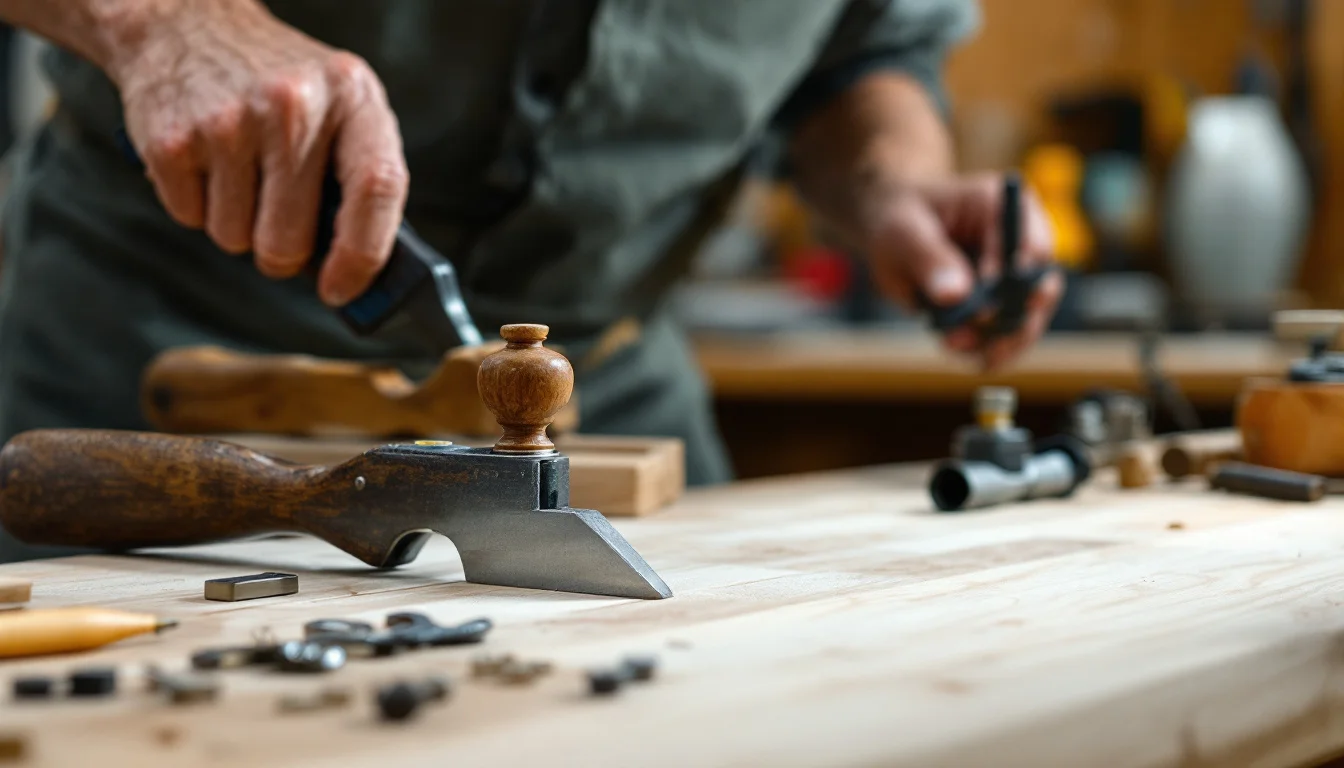
Traditional Japanese carpentry, with its flawless interlocking angles and reliance on centuries-old techniques, often looks impenetrable to newcomers. Watching a master assemble complex wooden structures without a single screw can make the craft feel more like a magic trick than a learnable skill. However, this ancient art form is accessible for those willing to start small, provided they are prepared for the initial learning curve of tool setup and wood selection.
Beginners can begin mastering these intricate techniques at home by assembling a minimal traditional toolkit, selecting forgiving materials, and practicing a handful of foundational joints. The journey does not require a sprawling workshop or thousands of dollars in heavy machinery. By focusing on the core principles of the craft—patience, precision, and an understanding of how wood moves—any aspiring woodworker can begin creating beautiful, fastener-free pieces right at their own kitchen table or garage workbench.
Key Takeaways
- The Core Tools: Starting requires just a few items, including a ryoba (double-sided saw), oire nomi (chisels), hira kanna (handplane), and a gennou (hammer).
- The Best Wood: Beginners should stick to softwoods like yellow cedar or local pine, as dense hardwoods can quickly frustrate a novice.
- The First Joints: Begin with the mortise and tenon and dovetail before progressing to more complex scarf joints.
- Tool Setup Is Essential: Japanese chisels arrive in what many Westerners consider an unfinished condition and require preparation (setting the hoop, creating a bevel, and flattening the back) before their first use.
How Does Japanese Joinery Differ from Western Carpentry?
Before picking up a saw, Western woodworkers must undergo a fundamental shift in how they understand structural integrity. Western carpentry typically relies on rigid fastening systems—driving screws, hammering nails, and applying heavy glues to force pieces of wood to stay firmly put. Japanese joinery operates on an entirely different mechanical principle.
Instead of fasteners or adhesives, Japanese joinery relies on friction and tension created by intricate cuts and precisely measured shapes that fit together seamlessly, according to Guide to Japanese Joinery by Real Woodwork. This approach requires the woodworker to work with the material, relying on internal geometry rather than external hardware.
Built to Bend
The historical context of these techniques explains their unique mechanics. In Guide to Japanese Joinery, Japanese joinery is described as an ancient art form designed to create structures capable of withstanding earthquakes; the joints are carefully crafted to bend and move slightly under stress, preventing them from snapping. For the modern woodworker, this means the goal of a joint is not absolute rigidity, but a perfect, stress-absorbing fit.The Pull Mechanics
This philosophy of tension extends to the tools themselves, requiring a different physical approach. While Western saws are generally designed to cut on the push stroke, traditional Japanese tools work in reverse. For Japanese saws, pulling the tool puts the steel blade in tension, allowing for thinner blades and a finer degree of control. Japanese handplanes also cut on the pull stroke; the article "Get to Know Japanese Handplanes" from Fine Woodworking notes that they feature a massive, tapered blade that can be sharpened to a very fine edge, requiring time and dedication to learn to use correctly.Which Woods Are Best for Beginner Japanese Joints?
Selecting the right material is just as important as mastering the cuts. Attempting intricate, interlocking joints on dense hardwoods can quickly frustrate a novice due to the sheer physical effort required to chisel out the waste material.
For Japanese joinery, softwoods are recommended although hardwood is possible. Guide to Japanese Joinery by Real Woodwork advises that for absolute beginners, yellow cedar is recommended because it is very accessible and versatile in its uses in Japanese joinery. Its tight, straight grain makes it predictable under the chisel, allowing beginners to focus on their technique rather than fighting the wood.
Accessible Local Alternatives
Sourcing specific traditional timbers is not strictly necessary to begin practicing. For North American readers, local lumber yards offer excellent alternatives that mimic the forgiving nature of traditional Japanese softwoods. According to the Sharpen Skills woodworking blog, wood types common in Canada for beginner projects include pine, cedar, and reclaimed maple. Standard pine is particularly cost-effective for practice sessions. Reclaimed maple offers a sustainable option once a beginner feels comfortable graduating from the softer pines, though as a harder species it will demand more effort from the chisel.What Tools Do You Need to Start Japanese Joinery?
It is easy to be overwhelmed by the vast array of specialized woodworking equipment, but starting out requires only a few core items.
The Core Hand Tools
| Tool Name | Primary Use | Setup & Technique Notes |
|---|---|---|
| Ryoba (Double-sided saw) | Excellent first saw due to its versatility | Features both rip and crosscut teeth on opposite sides |
| Kataba (Single-sided saw) | More detailed and precise cuts | Great addition for finer joint work |
| Oire nomi (Chisel) | Cutting joinery like dovetails | Buy small, large, and medium sizes initially |
| Hira kanna (Regular plane) | Smoothing wood and finishing touches | A standard medium size is generally sufficient for beginners |
| Gennou (Hammer) | Striking chisels and planes | Flat on one side, slightly rounded on the other |
Preparing the Chisels
While the saws are generally ready to use out of the box, the hand tools require significant preparation. Western woodworkers often expect a premium tool to arrive perfectly sharp, but Japanese hand tools follow a different tradition.The 2015 Fine Woodworking article "Learn About Japanese Joinery" states that a Japanese chisel bought for the first time requires setup before use, because these tools come in what Westerners might think of as rather unfinished condition. The final tuning is intentionally left to the end user. Setting the hoop (the metal ring at the top of the handle) is required to prevent the wood from splitting when struck by the gennou. Furthermore, creating the appropriate bevel angle and flattening the back of the blade are left to the craftsman. Skipping this initial setup will result in poor cuts and potentially damaged tools.
5 Beginner-Friendly Japanese Joints to Practice
Before attempting to build a piece of furniture, patience is required. Guide to Japanese Joinery by Real Woodwork advises practicing these beginner joints before starting a first project, and only starting to build once the joints are effective. Scrap wood is the ideal canvas for learning these five fundamental connections.
To build skills progressively, beginners should start with the mortise and tenon for fundamental layout and chiseling, then move to the dovetail and overlapping crisscross to learn interlocking geometry. Finally, the kanawa tsugi and kane tsugi introduce complex, high-precision layout and structural splicing.
1. The Mortise and Tenon
The mortise and tenon joint is listed by Real Woodwork under 'Best Joints for Beginners'. It is created by a hole in one piece of wood and a tab in another piece, which are then connected to create a secure joint. The precision required to fit the tab snugly into the hole teaches vital measuring and chiseling skills.2. The Dovetail Joint
Known for both its aesthetic appeal and mechanical grip, the dovetail relies on a flared geometry. Guide to Japanese Joinery describes this joint as connecting two pieces of wood with interlocking, flared connectors that provide strong mechanical resistance. Because of this built-in resistance, the dovetail joint is a joint commonly used in all types of woodworking, and one that demands careful layout and precision to master.3. The Overlapping Crisscross
A simpler but highly effective joint is used to cross two beams on the same plane. Real Woodwork describes a joint made by removing half the thickness of each piece of wood where they intersect. After this material is cleared, the two pieces are joined to form a crisscross shape where they overlap. This allows the structural timbers to sit perfectly flush.4. The Kanawa Tsugi
As confidence grows, beginners can attempt splicing techniques. The kanawa tsugi, functionally described as a half-blind tenoned, dadoed, and rabbeted scarf joint, is used to splice two pieces of wood together end to end. According to the 2015 Fine Woodworking article "Learn About Japanese Joinery", the key to this joint is accurate layout. Because the joint is complex, woodworkers use a story stick carrying every dimension, which prevents measuring errors during cutting.5. The Kane Tsugi
For creating robust corners, the kane tsugi (literally, right-angle corner) is described by Fine Woodworking (2015) as a traditional Japanese joint valued for its strength and appearance. This connection can be crafted as a combination miter and pinned bridle joint relying on careful handwork and exact layout. This makes it an excellent practice piece for woodworkers refining their hand joinery skills.Further Reading: Books for the Aspiring Joiner
Transitioning from basic practice joints to designing complex structures often requires diving into specialized literature. The Japan Woodcraft Association offers several authoritative recommendations based on skill level and subject matter.
Technique and Assembly
For step-by-step guidance on creating connections, recommended reading lists classify The Art of Japanese Joinery as suitable for Beginner – Intermediate readers. As skills progress, woodworkers can move on to Complete Japanese Joinery by Yasuo Nakahara and Wood Joints In Classical Japanese Architecture (Torashichi Sumiyoshi, Gento Matsui, 1991), which are classed as Intermediate – Advanced texts.Timber and Philosophy References
Understanding the broader cultural and material context is equally important. The Japan Woodcraft Association recommends Wood and Traditional Woodworking in Japan by Mechtild Mertz as a reference describing the species, uses and grades of timber used in Japanese woodworking. For a deeper look into the mindset of the craft, exploring literature on the philosophy of Japanese craftsmanship provides valuable insight into the tools, techniques, and culture of the tradition.Conclusion
Mastering traditional woodworking is fundamentally an exercise in discipline rather than rapid production. The true value of learning these fastener-free techniques lies in the deliberate, quiet concentration they demand. By spending hours perfecting a single interlocking angle or carefully setting a chisel hoop, the practitioner cultivates a profound respect for the grain of the wood and the edge of the steel. This slow, methodical approach ultimately transforms the act of building into a lifelong meditation on precision, where the finished structure is merely a natural byproduct of the craftsperson's inner development.