The Science of Home Fermentation: A Safety-First Guide to Cultivating Gut Health
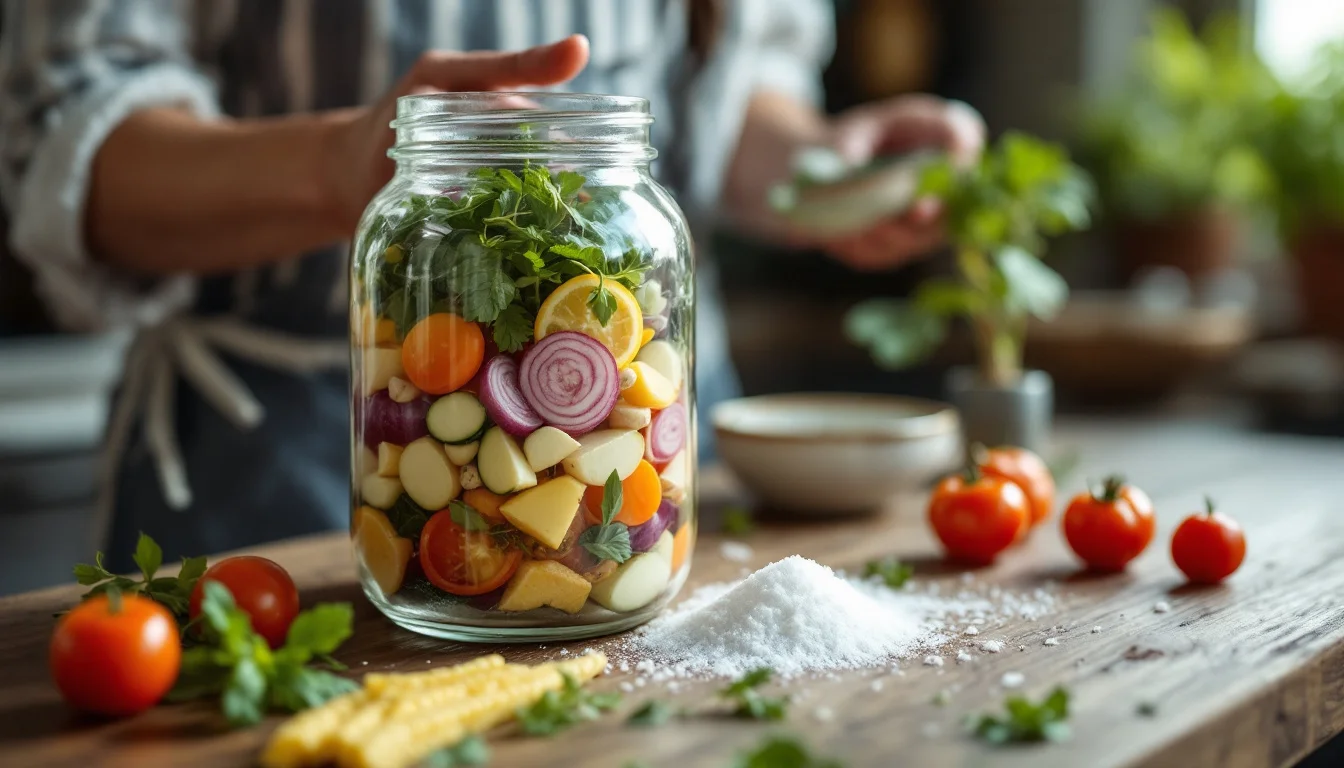
Supermarket shelves are increasingly crowded with products promising optimal gut health, often masking the ancient, precise science behind these foods. According to Stanford Medicine, fermented foods are strictly defined as foods that have undergone controlled microbial growth and fermentation, such as kimchi, sauerkraut, and yogurt. The process is far more complex than simply leaving vegetables in a jar to age upon a counter.
Successful fermentation requires deliberate biochemical mastery to trigger the right bacterial activity while locking out dangerous spoilage organisms. It transforms raw ingredients through highly specific environmental controls, creating functional, nutrient-dense foods. This culinary discipline hinges entirely on strict food safety principles rather than guesswork. By understanding the underlying microbial biology, home cooks can safely harness nature's preservation methods without risking contamination or bacterial failure.
Key Takeaways
- Microbial precision is mandatory: Tap water chlorine and chloramine, and iodine or anti-caking additives in table salt, can suppress beneficial bacterial growth or discolour the ferment.
- Acidity is central to safety: A successful ferment should drop its pH below 4.6, a threshold widely associated with suppressing dangerous pathogens — though this is a target, not a guarantee of absolute safety in every circumstance.
- Pacing matters: The human digestive system requires time to adapt, making it advisable to introduce live cultures slowly to avoid gastrointestinal distress.
How Does Lacto-Fermentation Work and Is It Safe?
The Protective Power of Lactic Acid
At the core of natural preservation is a targeted biological transformation. Lacto-fermentation relies predominantly on beneficial bacteria from the Lactobacillus family, according to Blue Horizon Blood Tests. When submerged in an anaerobic, or oxygen-free, brine, these specific microbes begin to consume naturally occurring plant sugars.
This metabolic process yields lactic acid as a primary byproduct, which fundamentally alters the chemical composition of the food environment. Instead of decaying, the submerged vegetables enter a controlled state of preservation driven by this microscopic activity.
Hitting the Safety Threshold
As the Lactobacillus multiplies, the continuous lactic acid accumulation steadily lowers the environment's pH. A widely cited safety milestone is a pH below 4.6 in the finished ferment — the point at which many pathogenic bacteria are strongly suppressed, yielding a tangy, probiotic food.
Reaching this acidic state is what makes home fermentation reliable. The drop in pH creates a hostile environment that naturally suppresses many pathogenic bacteria, such as Salmonella, though acid-resistant pathogens like Listeria and certain strains of E. coli can be more resilient. Because many of these dangerous organisms struggle to survive in high acidity, the resulting food is substantially shielded against foodborne illness, provided the biological triggers are properly managed from the very first day of preparation.
What Are the Essential Rules for Lacto-Fermentation?
The Non-Negotiable Kitchen Rules for Lacto-Fermentation dictate that cultivating beneficial bacteria requires absolute control over the chemical and physical environment, ensuring Lactobacillus thrives while pathogens fail.
1. Halogen-Free Hydration
Heavy chlorine or chloramine in domestic tap water can suppress beneficial Lactobacillus species. To ensure the brine supports microbial life, brines should use filtered or boiled-and-cooled water. Leaving water to sit uncovered for 24 hours or boiling it can reduce free chlorine, but neither reliably eliminates chloramine; carbon filtration is more effective for removing chloramine.
2. Pure Mineral Salinity
Salt regulates the initial stages of fermentation, but its chemical makeup must be strictly controlled. Pure fine sea salt, kosher salt, or rock salt without anti-caking agents or added iodine works best for fermentation. Table salt laden with chemical additives should be avoided, as these compounds can inhibit bacterial growth or permanently discolour the vegetables in the jar.
3. Non-Reactive Vessel Selection
Because the end goal is a highly acidic environment, material selection is paramount. Glass jars are widely recommended for home fermentation, particularly wide-mouth 500 ml or 1-litre preserving jars such as Kilner or Mason designs. Metal or reactive plastic containers should be strictly avoided because fermentation acids can react with these materials, compromising both food safety and structural integrity.
4. Environmental Incubation
The bacteria require specific thermal and atmospheric conditions to thrive safely. Jars should be loosely sealed or fitted with a fermentation lid equipped with an airlock. These vessels must be stored at room temperature, ideally between 18°C and 22°C. Additionally, they should remain away from direct sunlight, with a saucer placed underneath to catch any liquid overflow generated by the active bubbling process.
What Nutritional Changes Happen Inside the Fermentation Jar?
Unlocking Bound Minerals
The biological activity inside a fermentation vessel does more than just preserve the ingredients; it actively enhances their nutritional profile. The multiplying microbes systematically break down antinutrients such as phytates, which naturally occur in many raw plant foods. By degrading these structural compounds, the bacterial action can make minerals like iron, zinc, and magnesium more accessible for absorption. The degree of this effect varies depending on the vegetable, fermentation duration, and microbial community involved.
The 'Live Culture' Paradox
When deciding how to consume these bioavailable foods, nutritional science presents a fascinating contradiction between commercial products and homemade batches. Emerging nutritional research suggests that both live microbes and their byproducts can support digestion, immunity, and overall health — even in pasteurized foods. The metabolic byproducts created during fermentation remain intact and may remain biologically active even after industrial heat processing has halted microbial life.
However, this factory reality does not translate to home culinary practices. Raw fermented vegetables should not be exposed to high heat. The reasoning is purely biological: excessive heat rapidly destroys the living bacteria, turning a potent probiotic food into a standard culinary pickle.
Therefore, while commercially pasteurized ferments may still offer benefits via structural byproducts, applying heat to a carefully cultivated home ferment actively destroys the very living ecosystem you spent weeks nurturing. To preserve both the bacterial cultures and the mineral advantages, home ferments are best served completely raw.
Do You Need to Burp the Jar, and How Should You Eat Ferments?
Venting Carbon Dioxide
Active microbial growth produces significant amounts of gas, making physical vessel management a daily requirement in the early stages of preservation. With a standard sealed Kilner jar, the jar should be "burped" daily for the first 5 to 7 days.
This simple maintenance involves releasing the mechanical latch for about two seconds to let trapped carbon dioxide escape. Failing to release this built-up pressure can stall the bacterial progression or cause the jar's seal to forcefully leak brine under the accumulated atmospheric stress. After the first week, bacterial activity typically slows down and gas production stabilizes.
Integrating Live Cultures Safely
Once the vegetable ferment has achieved its desired tangy profile, the focus shifts from managing the jar's environment to managing the human digestive tract. For people new to fermented foods, starting too fast can cause uncomfortable bloating and gastrointestinal discomfort. Letting the gut adjust gradually to the influx of living microbes ensures a smoother transition.
Rather than treating these foods as acute medicine, they are best incorporated as long-term, steady dietary staples. ZOE advises eating small amounts of several different fermented foods daily, rather than consuming large amounts occasionally. A spoonful of sauerkraut alongside lunch and a small glass of kefir in the morning provide a broader, safer spectrum of microbial exposure than attempting to process an entire jar in a single, heavy sitting.
How Do You Choose Fermented Foods at the Supermarket?
Maintaining a daily regimen of lacto-fermented foods exclusively through home cultivation is not always practical. When turning to commercial options, consumers must apply the same biological scrutiny used in their own kitchens.
Not all products marketed broadly as "fermented" are equivalent on a microscopic level. Shoppers should diligently check product labels for live cultures. Many mass-market pickles and sauerkrauts achieve their tangy flavour profile through the artificial addition of distilled vinegar rather than a natural lactic acid bacterial process. These vinegar-brined alternatives mimic the sharp taste of a true ferment but lack the biological complexity generated by wild Lactobacillus. ZOE advises ensuring the label specifies "live and active cultures" and avoiding products with high sugar or artificial additives.
Frequently Asked Questions (FAQ) on Fermentation Practices
Are all fermented foods considered probiotics?
While the terms are often used interchangeably in marketing, they are biologically distinct. ZOE points out that many fermented foods — such as kefir, kombucha, and fermented vegetables — contain probiotics, but not all fermented foods do. Foods like sourdough bread or industrially processed soy sauce undergo genuine fermentation during production, but baking or extreme filtration destroys the live organisms before they reach the consumer.
Is there an official daily serving size for fermented foods?
Currently, there are no official guidelines for fermented food servings. Scientists are still actively exploring the best way to measure them. Because microbial counts vary depending on the specific batch, ambient temperature, and length of fermentation time, establishing a standardized prescriptive dose remains an area of ongoing research.
Conclusion: A Practice of Patience
Restoring the human microbiome requires a deliberate departure from the sterile convenience of ultra-processed diets. Engaging with lacto-fermentation transforms the home kitchen into a controlled biological laboratory, bridging ancestral food preservation with modern microbiological understanding. By meticulously managing environmental constraints like salinity, water purity, and oxygen exposure, cooks invite wild ecosystems back onto their plates safely. This practice demands patience and precision, ultimately shifting our everyday culinary habits toward systems that quietly support our digestive health and broader immune resilience.
--- The information in this article does not replace medical advice. Consult your doctor or a qualified healthcare professional.