The 30-Piece Wardrobe Myth: How to Build a Summer and Autumn Capsule System in 2026
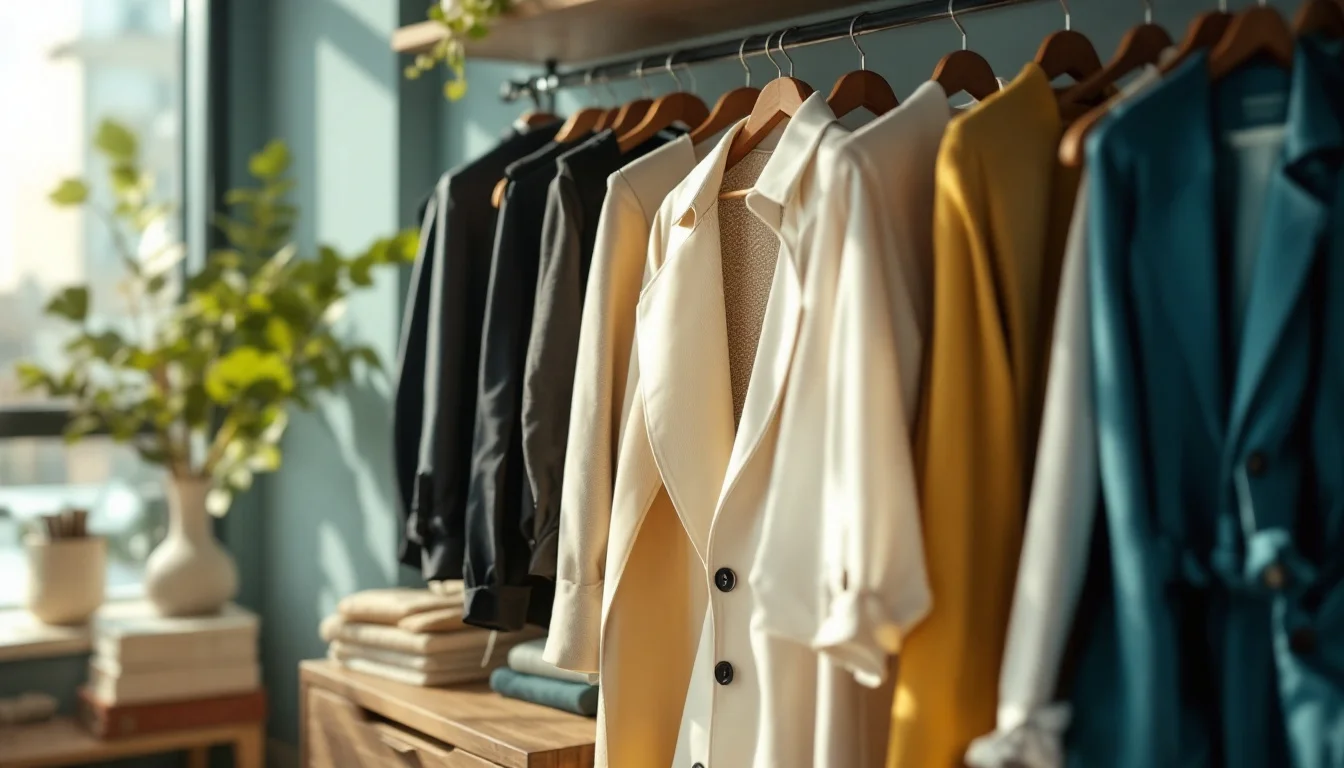
Traditional fashion seasons push constant shopping, encouraging consumers to continuously acquire new items to keep up with ephemeral styles. This cycle often results in overwhelming physical clutter and wasted money. Despite overflowing closets, most people end up wearing only a small portion of their garments on regular rotation, ultimately leading to the frustrating feeling of having "nothing to wear" when getting dressed each morning.
The antidote to this structural bloat is the capsule wardrobe. At its core, this concept is defined as a small, highly curated set of clothes and shoes that all effortlessly mix and match. A guide by Classy Yet Trendy notes that a properly constructed system ensures dozens of outfit combinations are ready to wear without requiring daily creative strain. By shifting the focus from volume to versatility, a minimalist closet reduces decision fatigue and creates a sustainable framework for personal style.
Key Takeaways
- Piece counts vary: Practical wardrobe size must fluctuate based on specific climate demands rather than adhering to a strict numerical rule.
- Methodology matters: Building a functional wardrobe requires following a structured visual guide, beginning with a strong base color and selecting either tops or bottoms first to anchor the collection.
- Strategic investments: Contemporary autumn styling prioritizes high-quality core basics like tailored long-sleeve layers and classic denim shirting.
- Trend integration: Contemporary seasonal elements, such as low-profile sneakers and shaped faux-leather jackets, can seamlessly update a minimalist system without causing unnecessary clutter.
How Does Climate Affect the 30-Piece Myth?
A fundamental conflict in minimalist styling circles surrounds the ideal number of items to own. The capsule wardrobe target is often associated with the 30-piece myth, a concept historically attributed to London boutique owner Susie Faux, who popularized the term in the 1970s. While this number provides a clean, marketable goal, treating it as an absolute rule ignores the practical realities of daily living.
Resolving this numerical conflict requires understanding that real-world capsules must scale dynamically based on environmental conditions. For instance, Who What Wear UK published an autumn feature built around just 9 heavy, highly re-wearable staples. Conversely, a Summer 2026 capsule wardrobe documented by the blog Classy Yet Trendy relies on 32 distinct pieces to function. The divergence comes down to utility: hot and humid climates often encourage having more individual garments due to the potential need for frequent laundry turnover, whereas colder seasons generally allow for heavier core staples to be layered and worn multiple times between washes.
Scaling for the Weather
The climate heavily dictates fabric choices and subsequent wardrobe volume. In a hot-humid environment like Alabama, where the Classy Yet Trendy blogger reports summer daytime temperatures averaging in the 90s Fahrenheit, styling requires a specific approach.
The author of the Classy Yet Trendy summer capsule utilizes mostly linen and cotton fabrics, sleeveless tops, cool airy bottoms, and sandals. These lightweight, breathable materials lack the durability and odor resistance of winter wools, meaning a higher piece count is physically required to maintain a fresh rotation throughout the week.
| Strategy Approach | Total Piece Count | Primary Materials | Structural Focus |
|---|---|---|---|
| General Benchmark | 30 Pieces | Mixed blends | Achieving an arbitrary round number |
| Hot Summer System | 32 Pieces | Linen, cotton | Maximizing breathability and laundry turnover |
| Autumn Core System | 9 Pieces | Heavy fabrics, knits | Layering and high re-wearability of outerwear |
How Do You Build a Foundation Over a Checklist?
Transitioning from a cluttered closet to a curated system requires concrete methodology rather than just discarding old clothes. The Classy Yet Trendy Summer 2026 capsule was created by following four distinct steps outlined in their post, "How To Start A Capsule Wardrobe: An Easy 4-Step Visual Guide." This structured approach demystifies the curation process, allowing individuals to systematically construct a wardrobe that serves their daily needs without defaulting to fast fashion.
Setting the Color Palette
The first critical decision in this framework is establishing a base color. This anchor shade dictates the versatility of every subsequent purchase. For the Summer 2026 capsule, black was explicitly chosen as the foundational base color, allowing the curator to weave in blue and green as vibrant accent colors.
For those who prefer a different aesthetic, the methodology suggests utilizing navy, gray, or brown as equally effective base color options. Establishing this palette early prevents the accidental purchase of mismatched items that disrupt the wardrobe's mixing potential.
The Assembly Sequence
Once the palette is locked, the physical selection of garments begins. The 4-step visual guide methodology primarily recommends selecting tops first. Because shirts and blouses sit closest to the face and heavily influence the overall tone of an outfit, locking them in provides immediate styling direction.
However, the system is designed with inherent flexibility; the author explicitly notes that users can alternatively start the building process by choosing bottoms or shoes first instead, depending on what pieces already anchor their personal style.
What Are the Core Staples for Autumn 2026?
Moving into the current autumn season requires identifying which specific garments offer the highest return on investment. Success hinges on balancing premium basics with accessible favorites, chosen strategically for their versatility and low cost-per-wear.
Essential Tops and Shirts
Classic tees in black and white serve as the structural backbone of daily dressing. These are often described as among the most-worn year-round staples in a fall capsule. The Abercrombie Everyday Tee is a popular pick, while the COS Clean Cut Tee serves as a higher price-point alternative for those looking to invest slightly more in structural integrity.
Beyond basic t-shirts, specific layering pieces elevate the autumnal rotation. A fitted long sleeve is a crucial inclusion; the guide specifically recommends sizing up one size in the Skims Fits Everybody line for optimal comfort. To bridge the gap between casual and polished aesthetics, a satin blouse is necessary, with Quince cited as an excellent source for staple blouses featuring added stretch. Rounding out the core shirting is a classic denim shirt; the guide specifically highlights the Aritzia denim shirt in the wash 'Kiss n Tell Blue'. Additionally, button-down shirts are described as a non-negotiable fall wardrobe staple, with J.Crew and GAP named as good options.
Versatile Bottoms and Tailoring
While trousers and denim are perennial favorites, current season styling leans heavily into fluid silhouettes. A maxi-length satin skirt is widely considered a fall wardrobe staple. This piece transitions from daytime casual when paired with a basic tee to evening elegance. Accessible online options serve as budget-friendly favorites, proving that foundational garments do not always require luxury price tags to function beautifully within a curated system.
For structured layering, a longer, more oversized blazer is recommended as a fall staple, with H&M described as a first stop for affordable options.
Transitional Outerwear
Outerwear requires careful consideration during unpredictable autumn weather. A classic trench coat is often positioned as a light, in-between coat for periods when heavy winter outerwear is not yet needed. The Oak + Fort trench is cited as an investment piece, though it carries a higher price tag and comes with the recommendation to size down for the best fit. For a slightly more modern silhouette, a cropped trench is noted as a trending alternative that maintains the classic aesthetic while offering updated proportions.
How Can You Keep Your Capsule Current in 2026?
A common misconception about minimal closets is that they must remain entirely static, devoid of contemporary fashion shifts. In reality, a robust system seamlessly absorbs select trends by applying modern updates to classic categories.
Modernizing the Leather Jacket
A faux leather jacket is frequently considered a non-negotiable fall staple, with retailers like Zara offering ideal mid-price options for sourcing this crucial layer. However, the exact silhouette of this jacket is where 2026 trends make their mark. Rather than defaulting to the traditional moto style, shaped jackets featuring funnel necks, cinched waists, and prominent belted details are identified as heavily trending for the current season. This allows the wardrobe to feel immediately relevant while still relying on a fundamentally timeless material.
The Return of Suede and Low-Profile Footwear
Material trends also play a significant role in updating a seasonal capsule. Suede is almost always synonymous with fall dressing, and it has steadily moved into the fashion spotlight over the past few seasons. Zara is again cited as an accessible, mid-price option for integrating suede textures into the daily rotation without overspending.
While classic Adidas Samba and Gazelle sneakers are named as foundational styles worn on a weekly basis, the broader sneaker landscape is shifting. Low-profile styles, such as the Puma Speedcat, are highlighted as heavily trending for autumn 2026. By swapping out a traditional chunky sneaker for one of these streamlined silhouettes, the entire capsule feels instantly modernized without compromising the overarching minimalist philosophy.
Frequently Asked Questions About Minimalist Wardrobes
Can a minimalist system accommodate a hot climate?
Yes. The summer capsule highlighted by Classy Yet Trendy was specifically customized to support a hot-humid environment like Alabama, proving that these systems can be adapted for maximum breathability and frequent laundry turnover rather than just heavy layering.What are the hidden drawbacks or limitations of a capsule wardrobe?
While capsule systems streamline daily dressing, they carry practical considerations. The upfront cost of acquiring durable, high-quality "investment" pieces can be prohibitive for many budgets. Additionally, relying on a strictly reduced rotation of garments means items are worn and washed much more frequently, which can increase the weekly laundry burden and accelerate the physical wear-and-tear of everyday staples.What Is the Cost-Per-Wear Horizon?
Transitioning to a minimalist wardrobe model extends far beyond the initial curation phase. Once the garments are selected and the foundational color palette is set, the true measure of the system's success shifts toward long-term wear tracking. Over time, the focus naturally evolves from evaluating the sheer number of items hanging in a closet to analyzing the sustained cost-per-wear of each specific garment. Ultimately, true sartorial efficiency is proven not by a strict inventory count on day one, but by how many consecutive seasons a well-chosen staple remains actively in rotation.